Diabetes affects more that 2 million people in Texas and over 400,000 in Oklahoma, these numbers keep rising daily. Being told you have diabetes may be unsettling, but with the right help, it’s a very manageable illness. The physicians at Tapia Internal Medicine Clinic, PLLC can help you manage your diabetes.
Type 2 diabetes (sometimes called type 2 “diabetes mellitus”) is a disorder that disrupts the way your body uses sugar. All the cells in your body need sugar to work normally. Sugar gets into the cells with the help of a hormone called insulin. If there is not enough insulin, or if the body stops responding to insulin, sugar builds up in the blood. That’s what happens to people with diabetes.
There are 2 different types of diabetes. In type 1 diabetes, the problem is that the body makes little or no insulin. In type 2 diabetes, the problem is that:
Diabetic retinopathy is an eye problem that can lead to vision loss and even blindness. It affects people with diabetes. It is most common in people who do not control their blood sugar well.
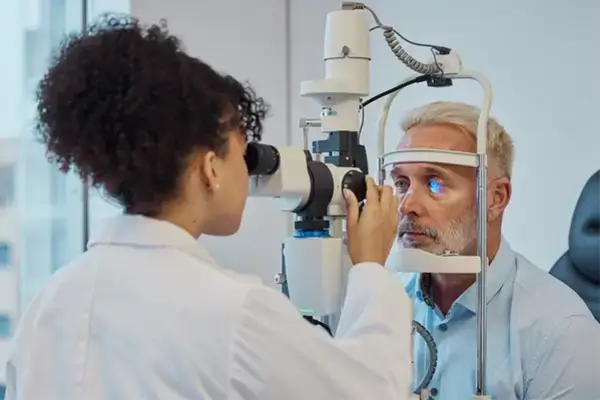
Our clinic uses a state-of-the-art retinal scanner that captures detailed images of the back of the eye within minutes. These images help identify early signs of diabetic retinopathy without the need for dilation in most patients.
All retinal images are evaluated by a certified retinal specialist. A detailed report is typically available within 24 hours, allowing your provider to quickly update your diabetes care plan if needed.
We’re always happy to welcome new patients. Our commitment is to provide the best possible care to those we already serve while inviting new patients to experience the same high standard of service.
Type 2 diabetes usually cause no symptoms. When symptoms do occur, they include:
To find out if you have type 2 diabetes, your physician can do a blood test to measure the amount of sugar in your blood.
There are a few medicines that help control blood sugar. Some people need to take pills that help the body make more insulin or that helps the insulin do its job. Others need insulin shots.
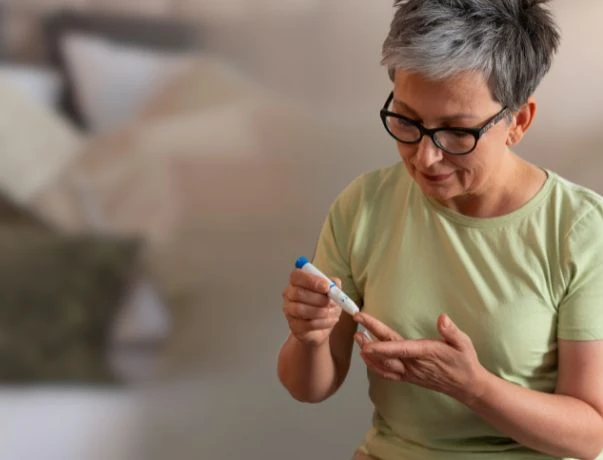
Depending on what medicines you take, you might need to check your blood sugar regularly at home. But not everyone with type 2 diabetes needs to do this. Your doctor will tell you if you should be checking your blood sugar, and when and how to do this.
Medicines are not the only tool to manage diabetes. Being active, losing weight, eating right and not smoking can all help people with diabetes stay as healthy as possible.
Yes, it can. To reduce your chances of getting type 2 diabetes, the most important thing you can do is control your weight. If you already have the disorder, losing weight can improve your health and blood sugar control. Being active can also help prevent or control the disorder.
Even though type 2 diabetes might not make you feel sick, it can cause serious problems over time if it’s not treated such as:
Most people with diabetic retinopathy have no symptoms until the disease is very advanced. By then, it’s usually too late to do anything about the vision loss. That’s why it is important to get screened for the condition early. That way doctors can take steps to protect your eyes before your vision is damaged.
Things to watch for:
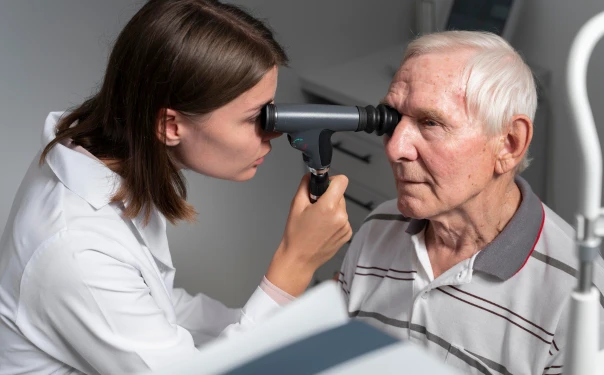
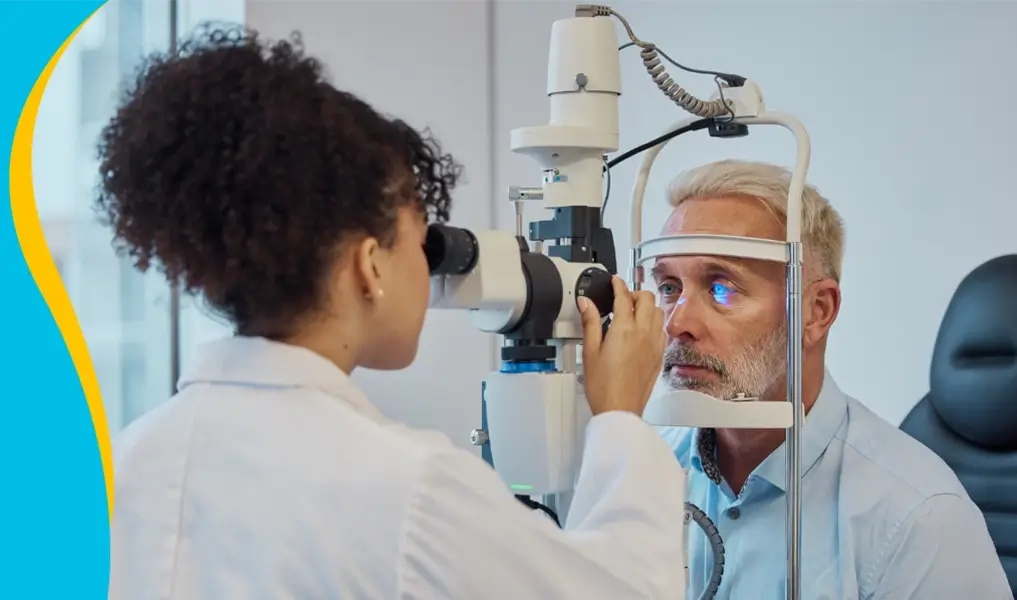
Yes, here at Tapia Internal Medicine Clinic, PLLC the physicians perform a diabetic eye exam. This includes the physician giving you eye drops to make your pupils open up. (The drops make it easier for the doctor to see the different parts of the inside of your eye.) After the drops have done their job, the doctor will take pictures of the eye with a special camera. If the pictures look normal then they will recheck the eyes in a year. If the pictures look abnormal, the patient is notified and a referral to an eye doctor will be created for further examination.
When mild, diabetic retinopathy is not always treated. But people with the condition do need to keep their blood sugar and blood pressure levels as close to normal as possible. This will help the condition from becoming worse.
Treatments for diabetic retinopathy can include:
Yes. If you have diabetes, you can reduce your chances of getting diabetic retinopathy by keeping your blood sugar and blood pressure level as close to normal as possible. It might also be important to keep cholesterol levels in the “normal” range.
A dilated eye exam allows the physician to examine the back of your eye in detail, helping detect early signs of diabetes-related eye changes (like retinopathy or macular edema) before you notice vision problems. Routine detection means your care plan can be adjusted sooner to help preserve your sight.